The Interplay of Table Game Incentives and Reel Payout Systems on Portable Platforms
Written by Theo Keller · Aug 19, 2026
The Interplay of Table Game Incentives and Reel Payout Systems on Portable Platforms
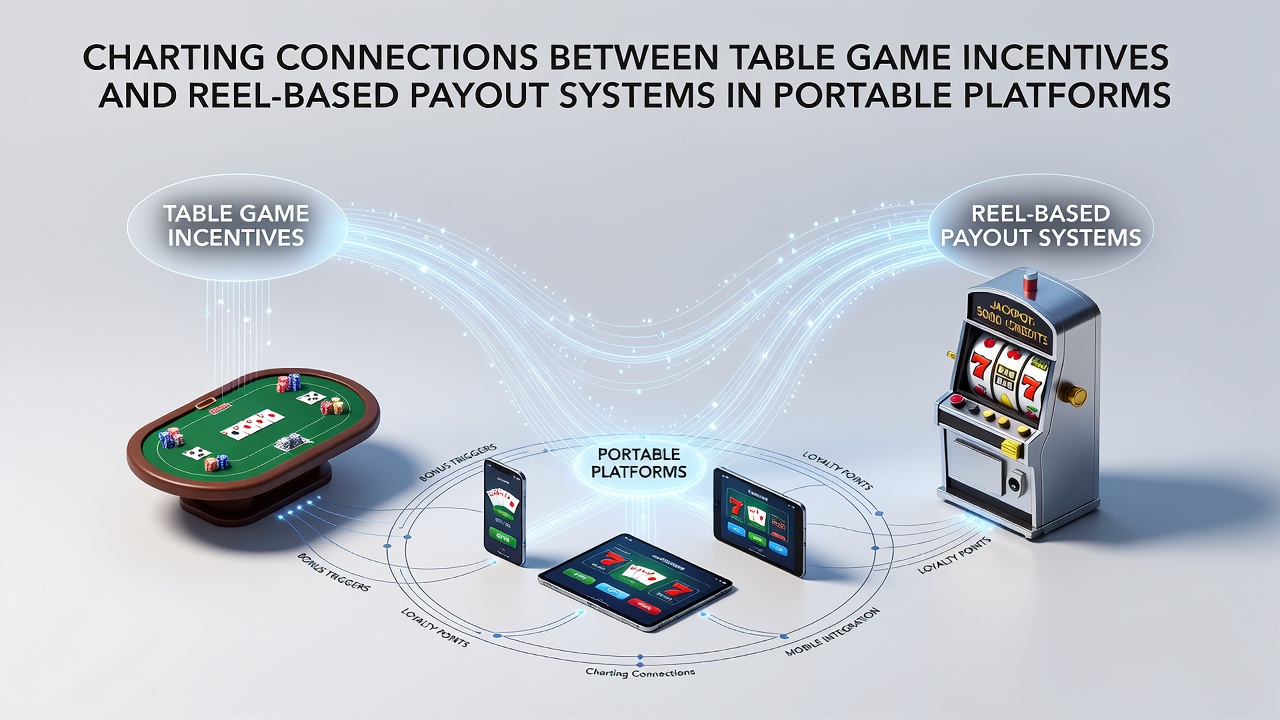
Portable platforms have reshaped how incentives from table games feed into reel-based payout structures, creating pathways where players move rewards earned on blackjack or roulette directly toward slot mechanics. Data from industry reports shows these connections rely on integrated loyalty systems that track play across game types and convert table-based points into reel multipliers or free spin allocations. Observers note that this integration appears most clearly in apps where a single account balances both table progress and reel outcomes without separate logins.
Mechanics of Incentive Transfer
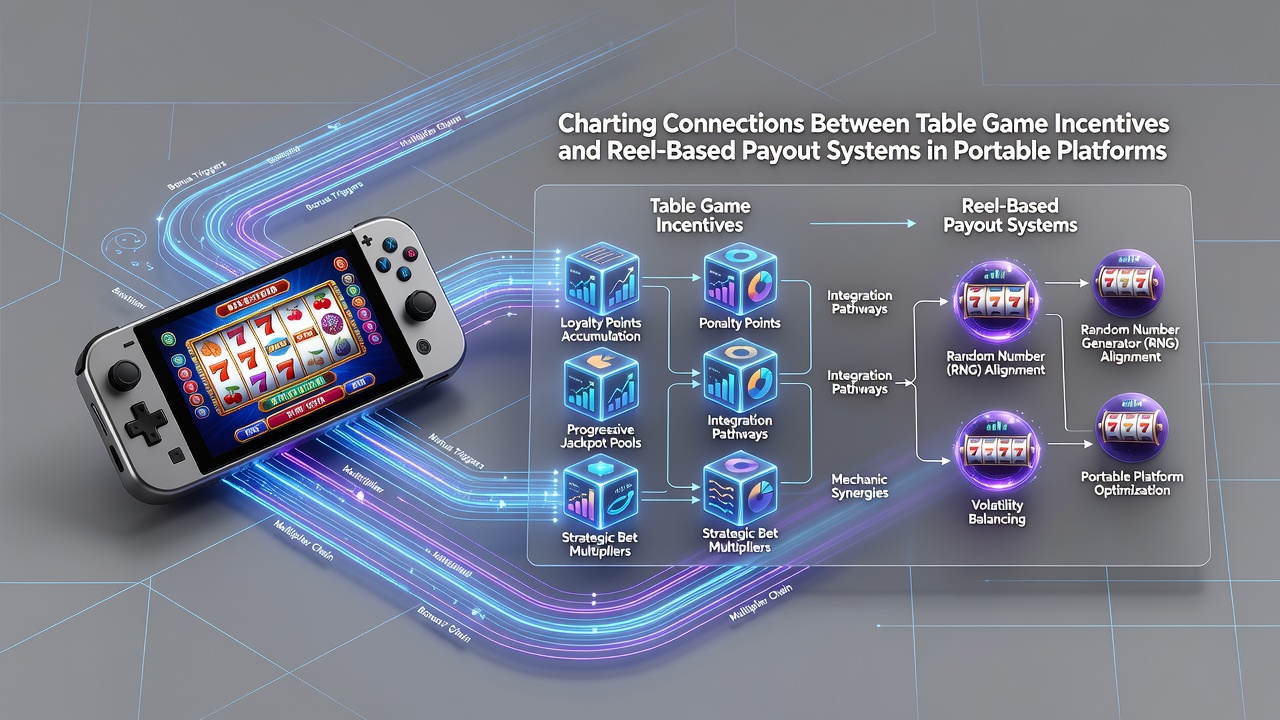
Table game incentives typically start as cashback percentages or match bonuses tied to wager volume on games like baccarat and poker variants. These rewards convert into reel credits through algorithms that apply conversion rates based on recent table activity, and developers adjust these rates seasonally to balance operator margins. Research from university studies on gaming behavior indicates conversion happens automatically once a player reaches preset thresholds, such as 500 hands played at a live table, which then unlocks a corresponding reel payout boost visible in the slot interface.
Portable systems further streamline this process by embedding the transfer within the same session, so a user finishing a roulette round can immediately apply earned incentives to spinning reels without leaving the app. Figures from trade group analyses reveal that such seamless shifts increase average session length by linking table play directly to reel volatility settings, where higher table rewards often pair with reels that feature elevated hit frequencies during promotional windows.
Data Patterns in August 2026
Records compiled during August 2026 highlight measurable upticks in cross-game activity on mobile networks. Operators reported that table incentive redemptions feeding into reel systems accounted for a larger share of total wagers compared with prior periods, according to aggregated platform metrics. Those monitoring these trends point to updates in payout tables that align table bonus tiers with reel return-to-player percentages, creating visible correlations between the two systems.
One study released by a North American research institution documented how portable platforms adjusted reel payout frequencies in response to table game volume spikes, with data showing that incentives from three-card poker sessions frequently triggered reel features like expanding wilds or stacked symbols. This pattern holds across multiple device types because the underlying software normalizes incentive values regardless of screen size or operating system.
Platform Architecture and Player Pathways
Developers build these connections through shared databases that log every table wager and reel spin under unified player profiles. The architecture allows incentives earned at virtual tables to appear as reel modifiers in real time, and case examples from European operators illustrate how a single bonus round on roulette can populate a slot's multiplier meter for the next session. Australian regulatory summaries note similar structures where portable apps must display clear conversion rules to maintain transparency in how table rewards affect reel outcomes.
What's interesting is the way mobile interfaces present these links through progress bars that fill during table play and unlock reel bonuses once thresholds are met. Players who switch between game categories within the same app often encounter reel payout systems preloaded with values derived from their table activity, reducing the steps needed to activate rewards. Industry reports from Canadian sources confirm that this design choice correlates with higher retention rates across portable platforms because the incentive flow feels continuous rather than segmented.
Regulatory Context and System Adjustments
Agencies outside the UK have begun examining how these connections comply with fairness standards for both table and reel components. A report issued by the Nevada Gaming Control Board in 2026 examined portable apps where table incentives directly influence reel payout percentages, requiring operators to maintain audit trails that separate the two systems even while they interact. Similar scrutiny appears in documentation from the Australian Communications and Media Authority, which tracks how mobile platforms report incentive transfers to ensure reel outcomes remain random after table bonuses are applied.
Those reviewing platform updates observe that adjustments made in August 2026 focused on capping the maximum reel boost available from table incentives, preventing any single session from creating disproportionate payout spikes. This approach maintains balance while preserving the linked structure that many portable systems now rely on for player engagement.
Conclusion
Connections between table game incentives and reel-based payout systems continue to evolve on portable platforms through shared tracking, real-time conversions, and regulatory oversight. Data collected across regions demonstrates consistent patterns where table activity feeds reel modifiers, and platform architecture supports these flows without requiring separate accounts. Observers tracking developments into late 2026 note that operators refine these links to align with compliance requirements while sustaining the integrated experience that defines mobile gaming today.