Shifting Sands: How Tiered Reward Ladders Redirect Attention From Automated Reel Cycles to Synchronized Table Encounters on Portable Screens
Written by Katja Coleman · Aug 2, 2026

Shifting Sands: How Tiered Reward Ladders Redirect Attention From Automated Reel Cycles to Synchronized Table Encounters on Portable Screens
Platform operators have introduced tiered reward ladders that assign progressive benefits based on player activity levels, and these systems increasingly channel engagement away from standalone slot sessions toward coordinated live table play on smartphones and tablets. Data from multiple markets show measurable shifts in session patterns where users who reach mid-tier status receive incentives that favor synchronized dealer interactions over repeated reel spins.
Mechanics Behind Tier Progression
Reward ladders typically operate through points accumulation tied to wager volume, time spent, and game type, while higher tiers unlock multipliers on live table contributions that exceed those available for automated slots. Operators structure these progressions so that players advancing past initial levels encounter prompts directing them toward mobile-optimized blackjack, roulette, or baccarat rooms where real-time synchronization with dealers becomes the focal activity. Industry reports indicate that by August 2026 several major platforms had adjusted point ratios to award live table participation at rates up to three times higher than equivalent slot volume, creating a structural preference within the system itself.
Users who remain at lower tiers encounter limited access to premium mobile features, whereas those who accumulate sufficient points unlock enhanced table limits, exclusive dealer streams, and synchronized bonus rounds that align multiple participants across portable devices. This design encourages transitions because the reward density increases once players enter live environments rather than persisting in isolated reel cycles.
Device-Level Synchronization Patterns
Mobile applications now integrate real-time dealer feeds with tier-tracking interfaces, allowing players to monitor progress while seated at virtual tables. Synchronization occurs through shared session timers and group bonus triggers that activate only when multiple tier-qualified users join the same dealer instance simultaneously. Research conducted by the University of Nevada, Las Vegas Center for Gaming Research has documented how these features correlate with extended dwell times on live table modules compared with traditional slot interfaces.
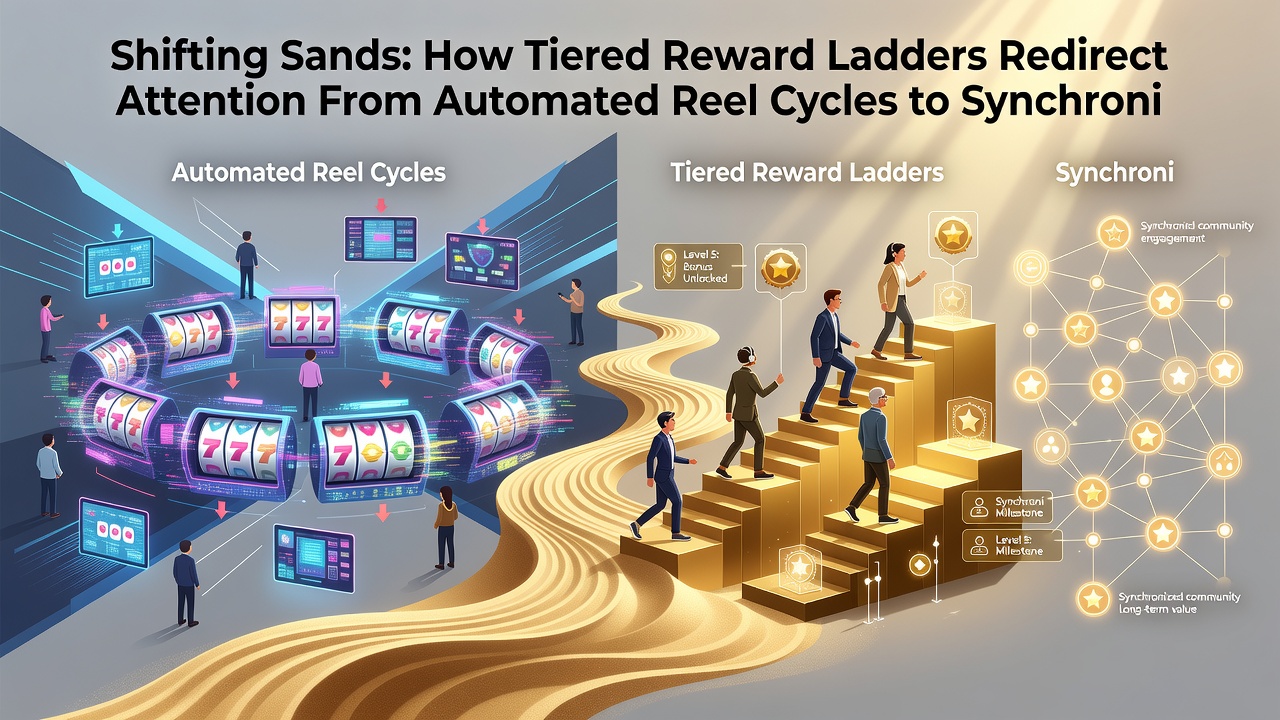
Platform analytics reveal that once players cross into tier two or three, the proportion of mobile sessions spent on live tables rises sharply, often displacing earlier patterns dominated by automated reel play. The systems track device type and session length to deliver context-specific nudges, such as time-limited table invitations that appear only on smartphones during peak evening hours.
Cross-Market Observations in 2026
Regulatory filings submitted across several jurisdictions in August 2026 recorded increased live table traffic on mobile channels coinciding with widespread adoption of tiered structures. Figures released by the Nevada Gaming Control Board showed a 14 percent quarter-over-quarter rise in mobile live dealer handle during periods when operators promoted tier-based table bonuses. Similar patterns appeared in Canadian provincial data where mobile live table engagement grew alongside tier ladder implementations.
Operators report that the redirection occurs because live table participation satisfies multiple tier criteria simultaneously, including minimum bet thresholds and duration requirements that slots fulfill less efficiently. Players who engage with synchronized tables therefore advance faster through the ladder while accessing features unavailable in automated environments.
Player Behavior Data Points
Studies tracking anonymized account activity indicate that mid-tier players allocate roughly 60 percent of mobile playtime to live tables once they qualify for synchronized bonuses, compared with under 25 percent at entry level. These shifts appear consistent across demographic segments, though the pace of transition varies with initial game preference and device usage frequency. Industry observers note that the structure rewards consistency in live participation because daily and weekly challenges often specify table-based objectives that accelerate tier movement.
External analyses from the Australian Institute of Criminology have examined how such incentive frameworks influence session composition without altering overall spend patterns in the short term. The data suggest that tier ladders function as navigational tools that reorder activity sequences rather than simply increasing total volume.
Conclusion
Tiered reward ladders continue to reshape mobile gambling flows by embedding incentives that favor synchronized live table encounters over repeated automated reel cycles. Market data compiled through 2026 confirm that these systems produce measurable redistribution of player attention toward real-time dealer environments on portable screens, driven by point structures, synchronization features, and tier-specific access controls. Regulatory bodies in multiple regions continue to monitor these developments as platforms refine the balance between slot and table engagement within single reward frameworks.