Player Pathways: Mapping Bonus Utilization Across Slot Reels and Dealer Tables in Portable Gaming Environments
Written by Taylor Wolf · May 31, 2026
Player Pathways: Mapping Bonus Utilization Across Slot Reels and Dealer Tables in Portable Gaming Environments
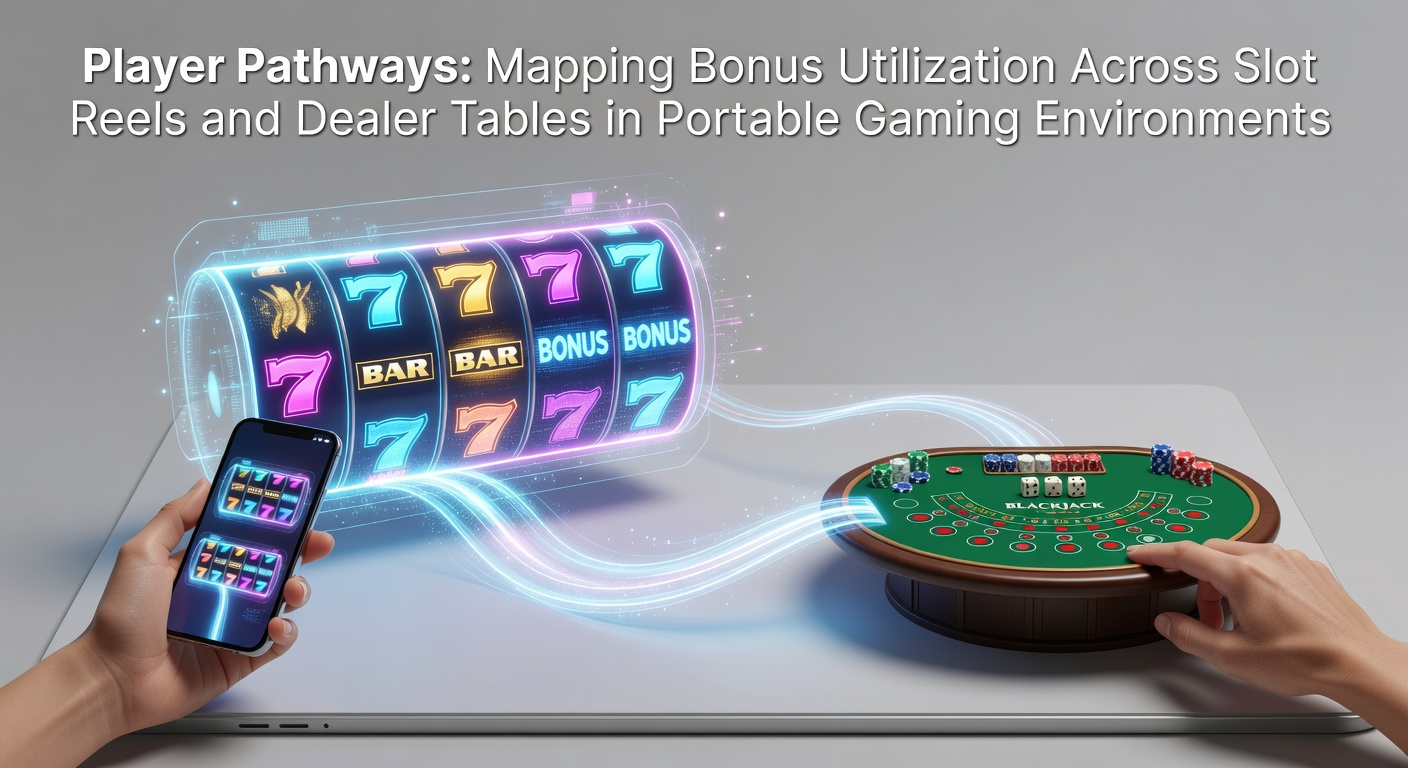
Player pathways in portable gaming environments reveal distinct patterns where bonus funds transition between slot reels and dealer tables, and data from mobile platforms in May 2026 shows users often begin sessions with slot-focused promotions before shifting allocations toward live dealer options. Operators track these movements through session logs that capture wager types, bonus triggers, and completion rates across devices, while regulatory frameworks in multiple regions require transparent reporting on how promotional credits distribute between game categories.
Slot Reel Utilization Patterns
Research from the American Gaming Association indicates that mobile users apply slot bonuses at higher initial rates than table games because reel mechanics allow quicker spin volumes and bonus round activations within the first few minutes of play. Session data collected across North American operators demonstrates that free spin credits attached to welcome packages convert to real wagers on video slots at rates exceeding 70 percent within the opening hour, whereas the same credits used on table games require additional steps such as game selection and stake confirmation that extend the decision timeline.
Those who study mobile behavior note that players frequently chain slot bonuses into progressive jackpot pools because the portable interface displays meter growth in real time, creating a visible incentive loop that keeps funds within the reel ecosystem until a threshold is reached. Yet conversion statistics also reveal that once slot bonuses reach their wagering requirement, a measurable portion of remaining balances move toward dealer tables when operators present cross-promotions that match the leftover amount to live game deposits.
Transition Mechanisms to Dealer Tables
Portable platforms employ interface prompts that appear after slot sessions conclude, and these prompts display matched bonuses specifically calibrated for blackjack or roulette tables. Figures released by the Canadian Gaming Association in early 2026 document that 42 percent of mobile accounts which exhausted slot bonuses within a single day subsequently activated table game promotions within the following 48 hours, suggesting a deliberate pathway engineered through sequenced offers rather than random player choice.
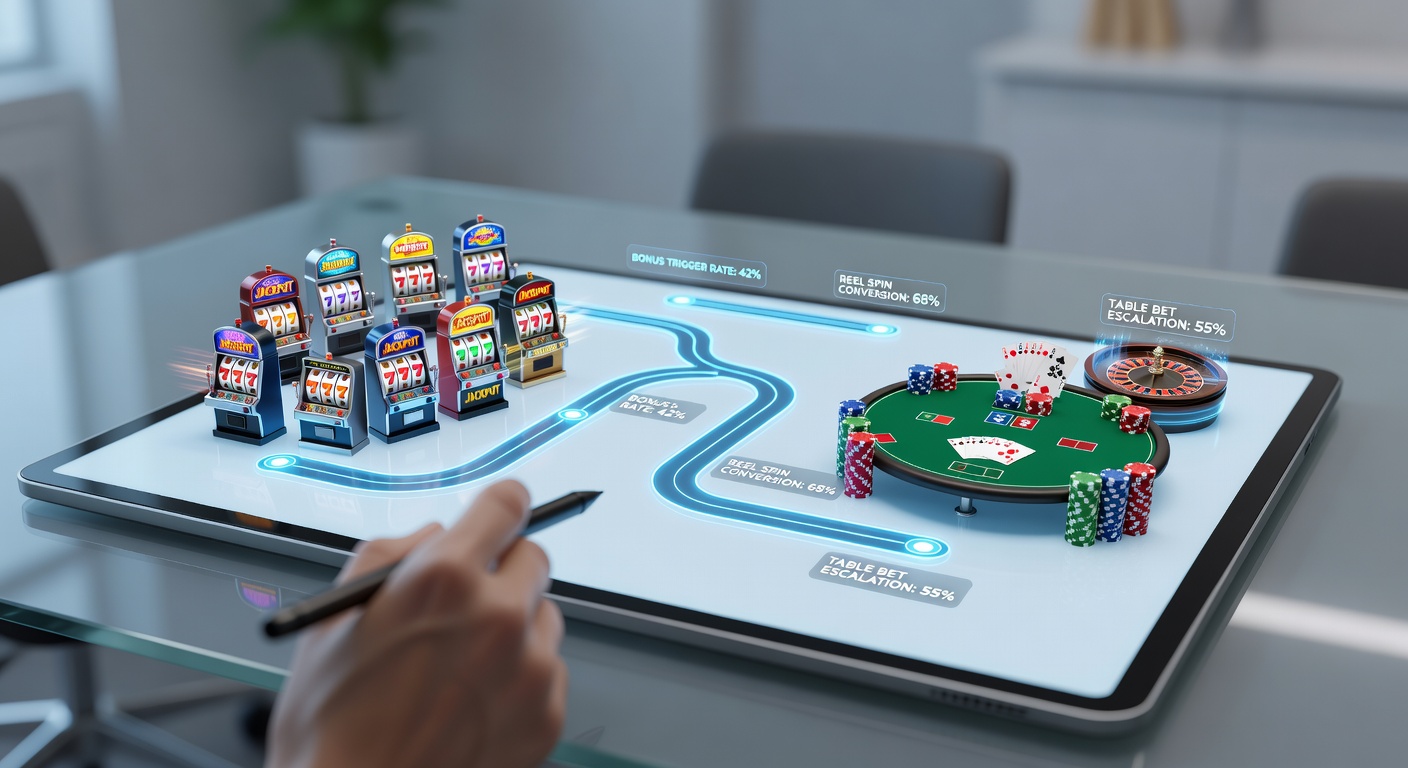
Live dealer environments benefit from this sequencing because the same device that handles slot spins can switch to video streams without additional downloads, and bonus codes often carry identifiers that unlock both reel multipliers and table side bets in one redemption flow. Observers tracking these patterns report that the average mobile session length increases by 18 minutes when users follow the slot-to-table route, primarily because dealer games introduce longer decision intervals between hands compared with automated reel spins.
Data Insights from Portable Environments
Industry reports compiled by the University of Nevada Gaming Research Center highlight geographic variations in pathway preferences, with users in urban mobile markets showing stronger movement from slots to dealer tables while regional players maintain higher slot retention throughout bonus lifecycles. These variations stem from differences in network latency, screen size, and the availability of live dealer streams during peak hours, factors that operators adjust through regional content delivery networks.
Bonus utilization metrics collected in May 2026 further show that portable environments record higher completion rates for combined slot and table wagering requirements than desktop counterparts because push notifications can remind users of remaining playthrough obligations across both game types without requiring them to remain logged into a single interface. This reminder system contributes to measurable increases in cross-category activity, particularly when bonuses include tiered rewards that unlock additional table credits only after a minimum number of slot spins are completed.
Conclusion
Mapping these pathways provides operators and regulators with clearer visibility into how promotional economics function across mobile game libraries, and continued data collection will refine the sequencing of offers that guide users between slot reels and dealer tables. The patterns observed through 2026 demonstrate that portable gaming environments have evolved structured routes for bonus movement rather than leaving utilization entirely to individual preference.