Online Casino Expansion: Patterns Across Markets and Tech Innovations
Written by Quinn Hughes · Nov 23, 2026
Online Casino Expansion: Patterns Across Markets and Tech Innovations
Online casino platforms have grown steadily since the early days of internet connectivity, and data from multiple regions shows continued adoption through late 2026. Players access these sites via desktops, tablets, and smartphones, while operators maintain servers that deliver slots, blackjack, roulette, and poker variants around the clock. Industry reports indicate that transaction volumes for digital gaming increased across North America, Europe, and parts of Asia during the preceding twelve months, driven by faster broadband and improved mobile applications.
Core Technology Driving Accessibility
Random number generators form the backbone of fair play on licensed platforms, and certification bodies test these systems regularly to confirm statistical randomness. Software providers integrate live dealer streams that combine video feeds with real-time betting interfaces, allowing participants to join tables hosted in professional studios. Mobile optimization has advanced to the point where most new titles launch with responsive designs that adjust automatically to screen sizes, and payment gateways now support instant deposits through digital wallets alongside traditional card processing.
Security protocols rely on encryption standards that protect account details and financial transfers, while two-factor authentication adds another layer for login procedures. Observers note that cloud-based infrastructure helps operators scale server capacity during peak hours without service interruptions, and artificial intelligence tools monitor patterns for potential fraud detection in real time.
Regulatory Approaches in Varied Jurisdictions
Different countries apply distinct oversight models to online casino operations. In several Canadian provinces, provincial authorities issue licenses and enforce age verification along with responsible gaming measures, and data released in early 2026 highlighted compliance rates above ninety percent for audited sites. Australian state regulators maintain strict advertising guidelines that limit promotions during certain broadcast hours, while the Nevada Gaming Control Board continues to oversee interactive gaming within its borders through established testing labs.
European nations such as Malta and Sweden operate centralized licensing systems that require operators to segregate player funds and submit regular audit reports. By November 2026, updates to cross-border data sharing agreements among these regulators had streamlined verification processes for operators holding multiple licenses, reducing duplicate compliance costs. Those who track legislative calendars point out that new rules often emphasize player self-exclusion tools and spending limit options that must appear prominently in account settings.
Player Engagement Trends and Market Data
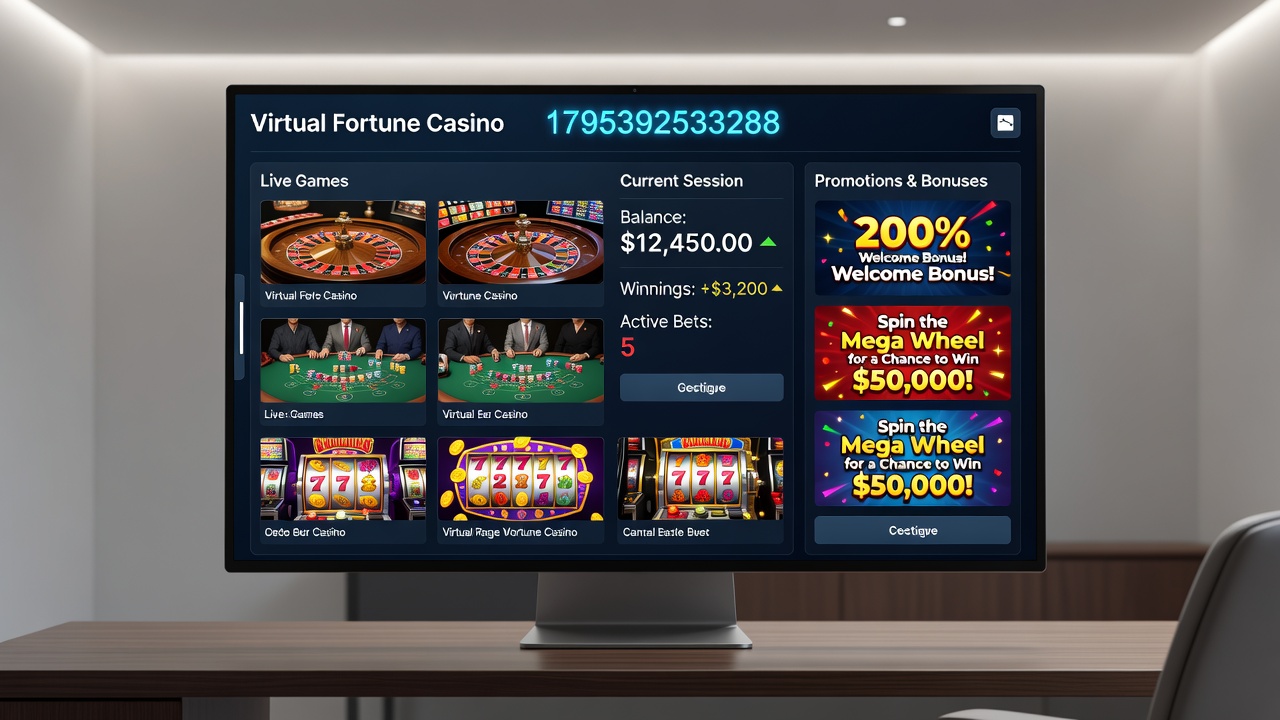
Slot titles remain the highest volume category on most platforms, yet table game traffic has risen as live dealer options expand their hours and game variety. Research from the American Gaming Association shows that integrated loyalty programs, which award points redeemable for bonuses or merchandise, correlate with longer session durations across surveyed operators. Payment method preferences vary by region, with e-wallets dominating in some markets and bank transfers preferred in others where regulatory caps on processing fees apply.
Responsible gaming features appear in nearly all licensed environments, including reality checks that pause play after set intervals and deposit limit settings adjustable at any time. Studies compiled by academic teams in Australia have examined correlations between these tools and reduced instances of excessive play, though outcomes depend on individual user engagement with the features themselves. Operators publish annual transparency reports that detail the number of self-exclusion requests processed and the effectiveness of age verification checks.
Payment Systems and Operational Standards
Modern platforms integrate multiple banking options that clear within seconds for deposits and within one to five business days for withdrawals, depending on the chosen method. Cryptocurrency support has appeared on select sites operating under licenses that permit such tender, and transaction ledgers remain visible to players through dedicated account histories. Software audits conducted by independent firms verify that payout percentages align with advertised return-to-player figures, and these results often appear in game information panels.
Customer support teams operate through live chat, email, and sometimes telephone channels, with response benchmarks published in service level agreements. Training for these teams covers responsible gaming intervention techniques and escalation procedures for suspected problem gambling indicators.
Conclusion
Online casino operations continue to adapt to technological shifts and regulatory requirements across international markets. Data collected through November 2026 reflects ongoing investment in secure infrastructure, diverse game libraries, and player protection mechanisms. Regulatory bodies in multiple regions maintain licensing standards that emphasize transparency and accountability, while operators respond with updated features that address both entertainment value and compliance demands. The sector's trajectory remains tied to advancements in connectivity and verification methods that support broader access under controlled conditions.