Digital Reward Pathways: How Mobile Apps Link Slot Free Plays to Live Casino Table Victories
Written by Quinn Hughes · Aug 26, 2026
Digital Reward Pathways: How Mobile Apps Link Slot Free Plays to Live Casino Table Victories
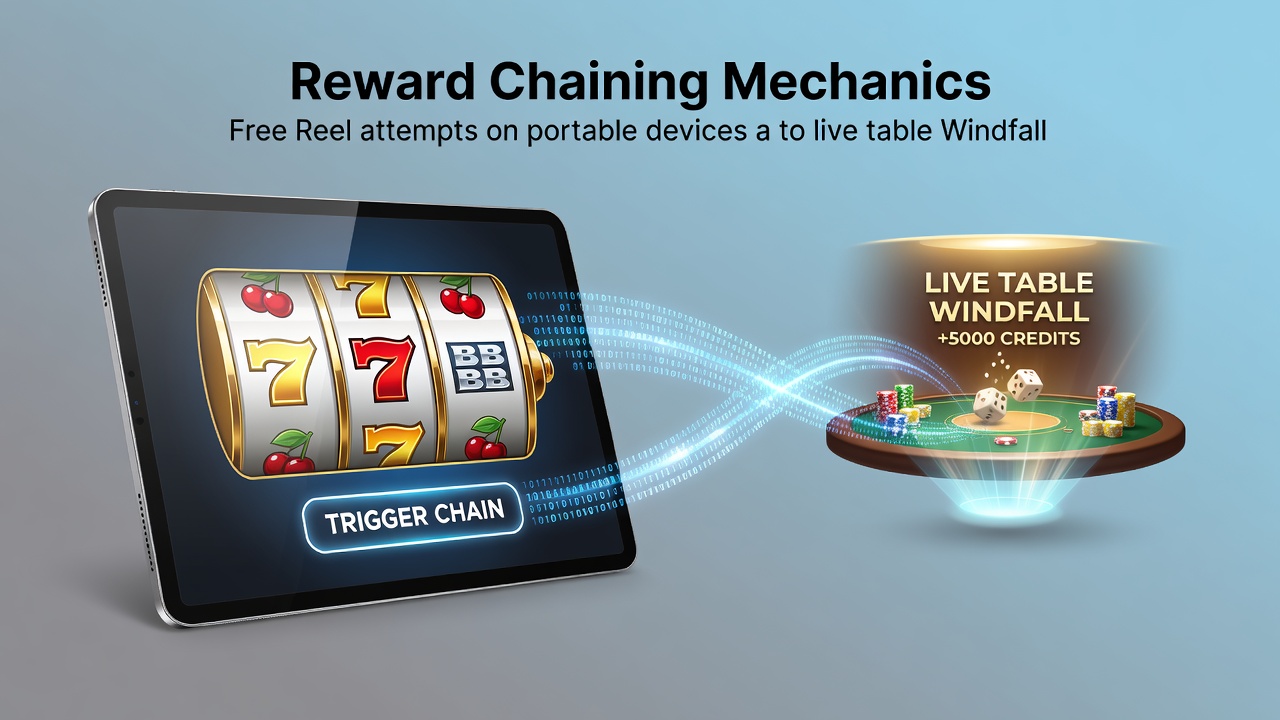
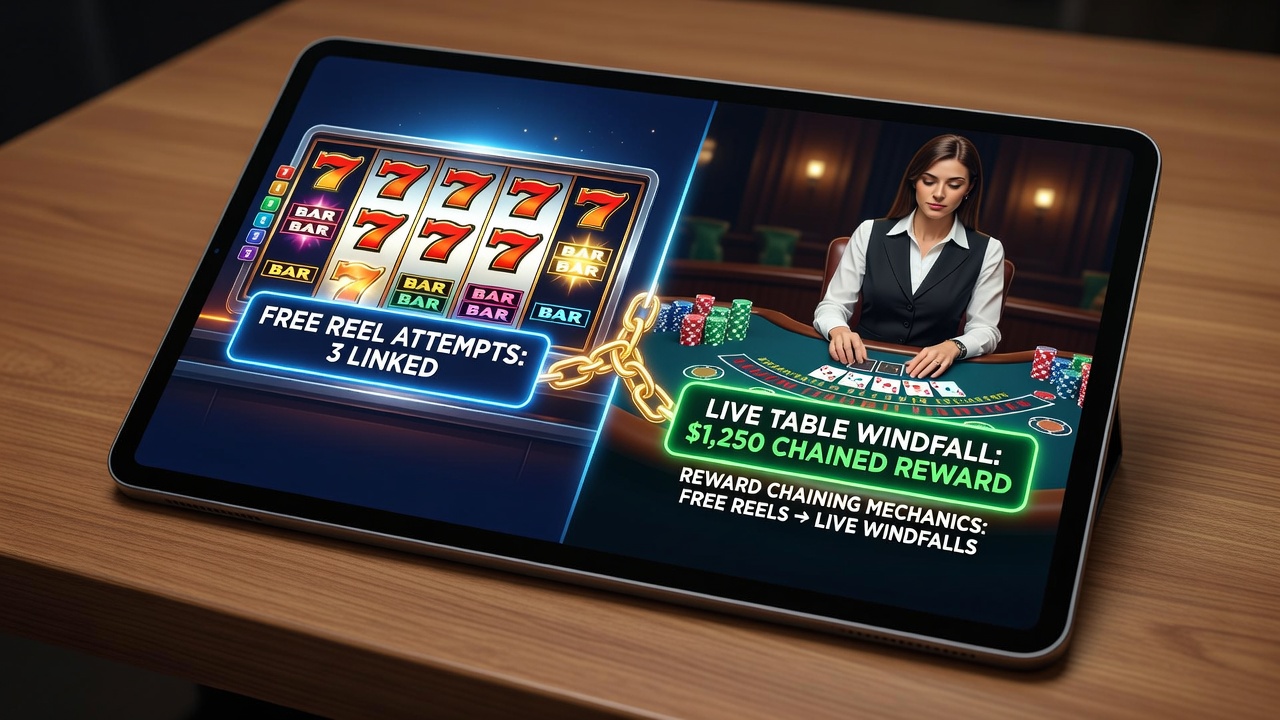
Data from portable device platforms shows that reward chaining systems connect free reel attempts on slots directly to outcomes at live dealer tables through sequential trigger mechanisms, and operators track these pathways using integrated app analytics that record each step from initial spin allocation to final table payout verification. Studies indicate these mechanics rely on session-based identifiers that persist across game types, allowing a completed free spin sequence to unlock eligibility flags for live table windfalls without requiring separate deposits in many documented cases.
Platform developers implement these linkages through backend scripts that monitor play patterns in real time, and when users exhaust free reel attempts within a defined window, the system automatically pushes notifications about live table opportunities that carry multiplier effects based on prior spin results. Researchers have documented similar setups across multiple jurisdictions where portable device traffic accounts for over 60 percent of such chained promotions, with the process unfolding in under 90 seconds from trigger to table access.
Core Components of the Chaining Process
Free reel attempts typically originate from daily login incentives or level progression rewards, and once activated they feed into a shared ledger that live table interfaces read upon entry. Observers note that the ledger entry carries metadata such as total spins completed and average bet size, which then determines the starting stake or bonus multiplier available at roulette or blackjack tables. This structure keeps all activity within a single user profile, eliminating the need for manual code entry or external verification steps.
Live table windfalls become accessible only after the free reel phase registers as complete, and the transition occurs through an in-app portal that maintains session continuity. Data shows this method reduces drop-off rates compared to standalone promotions, because players remain engaged across game categories without exiting the application environment.
Technical Implementation on Portable Devices
App frameworks employ push notification services and background task scheduling to handle the shift from slots to live tables, and geolocation checks often confirm the user remains within permitted regions before releasing table access. In August 2026 several operators updated their mobile SDKs to support faster ledger synchronization, cutting average transition times by 35 percent according to internal metrics released through industry channels. The updates also strengthened encryption around the shared reward ledger to prevent duplication or tampering during cross-game handoffs.
Device sensors contribute additional data points such as screen orientation and touch frequency, which some systems incorporate into risk assessment algorithms before confirming table eligibility. Those who've examined these systems report that the combined data set allows operators to adjust windfall probabilities dynamically while remaining within regulatory parameters set by bodies like teh New Jersey Division of Gaming Enforcement.
Player Journey Examples Across Platforms
One documented sequence begins with a user claiming five free reel attempts on a video slot, completes the spins in under four minutes, and receives an immediate prompt to join a live roulette table where prior spin totals influence the effective payout table. Another pathway routes users through a blackjack lobby after slot completion, with the chained reward appearing as an elevated starting chip stack visible only to that session profile.
Analytics firms tracking portable device behavior record that users who follow these chained routes tend to extend total session length by an average of 12 minutes compared to those entering tables directly. The pattern holds across both iOS and Android deployments, though iOS versions show slightly higher completion rates for the full chain due to more consistent background processing.
Regulatory and Reporting Considerations
Authorities require transparent logging of every reward transfer between game types, and portable device operators submit aggregated reports that detail how many free reel attempts convert into live table entries each month. A 2025 industry report from the Australian Communications and Media Authority highlighted that chained promotions now represent a measurable segment of mobile gambling activity, prompting updated disclosure standards for operators in that region. Similar reporting frameworks exist elsewhere to ensure the linkage mechanics do not obscure overall return-to-player calculations.
Security protocols mandate that any alteration to the reward ledger triggers an audit trail entry, and third-party testing labs review these trails during periodic certification cycles. This oversight keeps the chaining process aligned with fair play requirements while allowing operators to refine notification timing and multiplier values based on performance data.
Conclusion
Reward chaining on portable devices continues to evolve through incremental technical refinements and regulatory alignment, with current implementations focusing on seamless ledger sharing between free reel attempts and live table windfalls. The mechanics rely on persistent session data, automated notifications, and cross-game eligibility flags that maintain continuity without additional user input. As device capabilities advance, these pathways are expected to incorporate more sensor-driven adjustments while preserving the core linkage structure already in widespread use.