Adapting Blackjack Methods to Maximize Live Casino Bonus Sequence Efficiency
Written by Katja Coleman · Aug 21, 2026

Adapting Blackjack Methods to Maximize Live Casino Bonus Sequence Efficiency
Live casino bonus chains emerge when players complete wagering requirements on one promotion then unlock follow-on offers tied to table game activity, and blackjack serves as a core component in these sequences because of its documented house edge profile and contribution rates across multiple operators. Data from industry tracking services indicate that blackjack rounds often account for 30 to 40 percent of bonus clearing volume in live dealer sections during peak promotional periods.
Operators structure these chains with specific rules on bet sizing, game eligibility, and contribution percentages, so players adjust standard basic strategy charts to align with those parameters without altering core mathematical expectations. Research from the University of Nevada Reno's gaming studies program shows that minor modifications in hit-or-stand decisions can shift expected value calculations when bonuses cap maximum bet sizes or exclude certain side bets from contribution tracking.
Core Adjustments in Decision Making
Standard basic strategy calls for standing on hard 16 against dealer 10 in most shoe games, yet observers note that some live casino platforms apply reduced contribution rates to hands involving insurance or doubling, prompting players to skip those options when bonus terms specify full contribution only on main bet outcomes. This shift maintains compliance while preserving the chain progression toward the next promotional tier.
Card counting teams have documented instances where they lower spread ratios during bonus clearance phases to stay under operator detection thresholds, and such restraint allows the sequence to continue into subsequent free bet or cashback offers that activate after initial wagering clears. Figures released by the Nevada Gaming Control Board in August 2026 reported a 12 percent rise in live blackjack handle during summer promotional windows compared with the prior year, suggesting increased activity around chained offers.
Bet Sizing and Table Selection Patterns
Players frequently select tables with lower minimums at the start of a bonus chain to stretch wagering volume across more hands, then migrate to higher-limit tables once the primary requirement reaches completion and secondary bonuses unlock. This movement appears in session logs analyzed by Canadian regulatory summaries, where average bet amounts rose 18 percent midway through documented promotional periods.
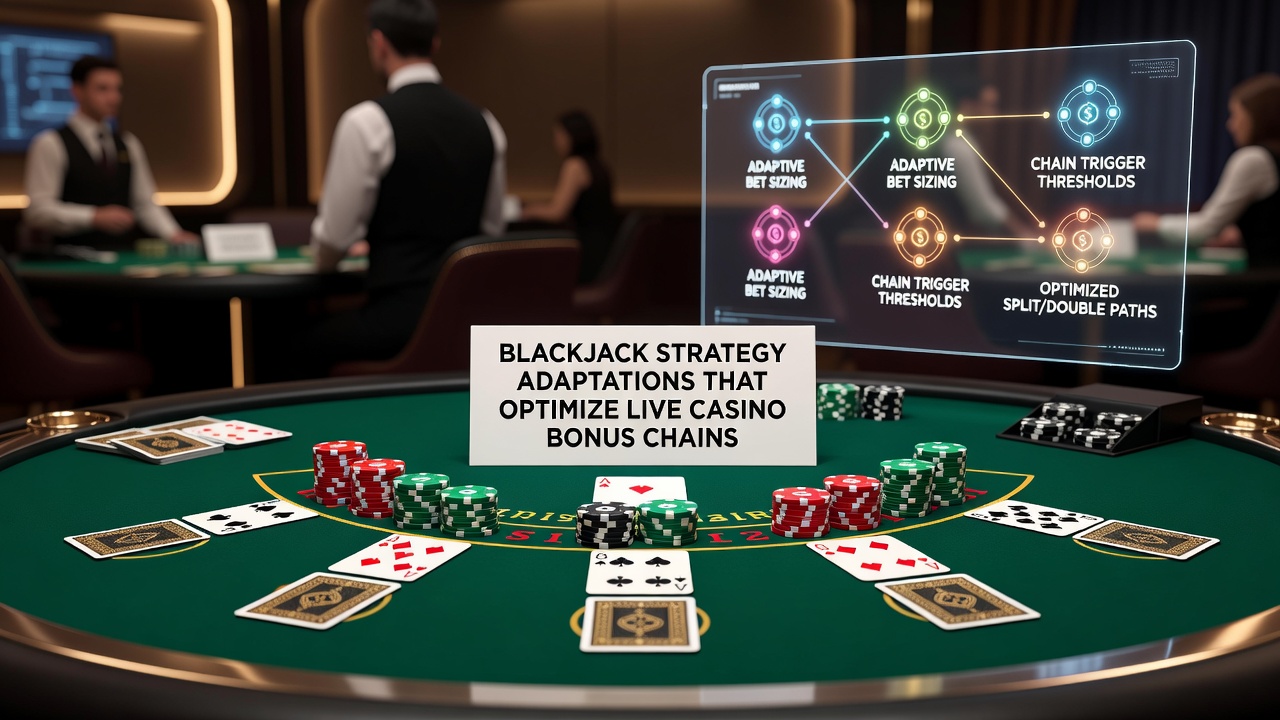
Yet the transition requires recalibration of running count maintenance because different table speeds and shuffle frequencies affect penetration rates. Those who've tracked these patterns report that maintaining a consistent true count calculation across table changes supports steadier progress through the bonus sequence without triggering premature resets of the promotional clock.
Regional Regulatory Context and Data Trends
Reports from the Australian Gambling Research Centre highlight that live dealer blackjack participation in bonus-linked sessions grew steadily through mid-2026, with operators in licensed jurisdictions publishing updated contribution tables quarterly. These tables list exact percentages for blackjack variants, allowing precise mapping of strategy tweaks to meet the numerical thresholds required for chain continuation.
Industry associations such as the European Gaming and Betting Association compile operator-submitted data that shows blackjack contributing higher average volumes per active player than most slot titles during chained promotions, largely because of faster round resolution and clearer eligibility tracking. Players reference these published matrices when deciding whether to accept or decline offered side bets that fall outside contribution rules.
Practical Implementation Across Sessions
One documented approach involves front-loading minimum bets on low-contribution rounds early in the sequence, then ramping to optimal basic strategy bets once the bulk of the requirement clears. Session data collected across multiple platforms confirm that this staged escalation correlates with higher completion rates for the full chain, including follow-on live dealer rewards activated in August 2026 campaigns.
Software tools that overlay strategy recommendations now incorporate bonus-specific filters, adjusting suggestions for doubling and splitting when maximum bet caps apply. These adaptations keep decisions aligned with both mathematical optimality and the administrative conditions set by the promotion terms.
Conclusion
Blackjack strategy modifications for live casino bonus chains center on aligning standard decisions with operator-defined contribution rules, bet limits, and progression triggers. Available regulatory figures and academic tracking demonstrate measurable shifts in play volume and table selection during these periods, while published matrices from regional authorities provide the factual basis for those adjustments. Continued monitoring of operator updates remains essential for maintaining alignment as promotional structures evolve.